


WOOD CHIPPERS + Engine
The product range for petrol-powered wood chippers includes 4 series:
BX Holzschredder Engine approx. 15 HP; up to 12 cm wood diameter; 4 rotor knives; professional machine; disc chipperGT Holzschredder Engine approx. 15 HP; up to 12 cm wood diameter; feed by knife roller; drum chipper
.webp "Preview: Victory GTS-700-compact Wood Shredder, Wood Chipper with Briggs&Stratton Engine")
.webp "Preview: Victory GTS-700-compact Wood Shredder, Wood Chipper with Briggs&Stratton Engine")

.webp "Preview: Victory GTS-700 Wood Shredder, Wood Chipper with Briggs&Stratton Engine")
.webp "Preview: Victory GTS-700 Wood Shredder, Wood Chipper with Briggs&Stratton Engine")
.webp "Preview: Victory GTS-700 Wood Shredder, Wood Chipper with Briggs&Stratton Engine")
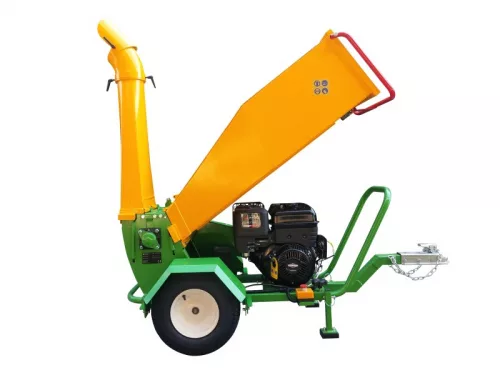
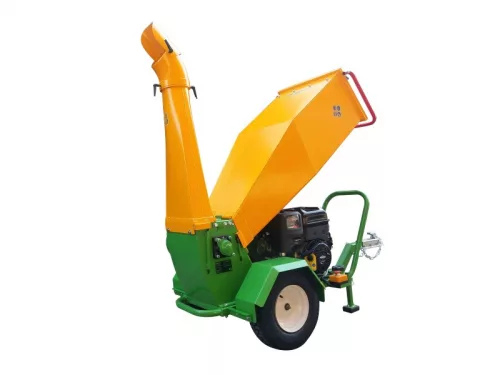
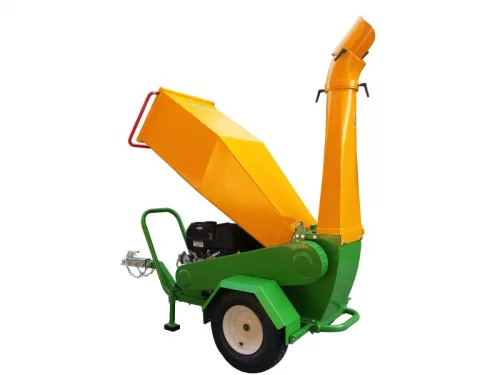
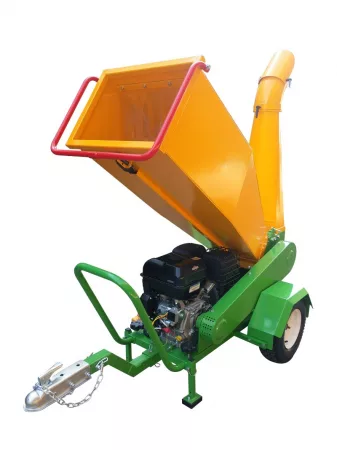
.jpg "Preview: Victory GTS-3000pro Wood Shredder, Wood Chipper 18HP Motor + E-Starter")
.jpg "Preview: Victory GTS-3000pro Wood Shredder, Wood Chipper 18HP Motor + E-Starter")
.jpg "Preview: Victory GTS-3000pro Wood Shredder, Wood Chipper 18HP Motor + E-Starter")
.jpg "Preview: Victory GTS-3000pro Wood Shredder, Wood Chipper 18HP Motor + E-Starter")
.webp "Preview: Victory BX-2000-E Wood Shredder, Wood Chipper with Briggs & Stratton Motor with E-Starter; Disc Chipper")
.webp "Preview: Victory BX-2000-E Wood Shredder, Wood Chipper with Briggs & Stratton Motor with E-Starter; Disc Chipper")
.webp "Preview: Victory BX-2000-E Wood Shredder, Wood Chipper with Briggs & Stratton Motor with E-Starter; Disc Chipper")
.webp "Preview: Victory BX-2000-E Wood Shredder, Wood Chipper with Briggs & Stratton Motor with E-Starter; Disc Chipper")
.webp "Preview: Victory BX-2000-E road-approved (CoC paper) wood shredder, wood chipper with Briggs & Stratton motor with electric starter; disc chipper")
.webp "Preview: Victory BX-2000-E road-approved (CoC paper) wood shredder, wood chipper with Briggs & Stratton motor with electric starter; disc chipper")
.webp "Preview: Victory BX-2000-E road-approved (CoC paper) wood shredder, wood chipper with Briggs & Stratton motor with electric starter; disc chipper")
.webp "Preview: Victory BX-2000-E road-approved (CoC paper) wood shredder, wood chipper with Briggs & Stratton motor with electric starter; disc chipper")
Online shop for wood chippers with gasoline engine
A wood chipper is a work machine for quickly shredding one- and multi-year residual wood, i.e. the pruning of trees and bushes that cannot be processed into firewood / fuel wood. Wood shredders can shred large quantities of such wood waste so that it can either quickly become humus or be decoratively distributed on beds. Similar terms for such machines are also wood choppers or brush choppers.
Garden shredders can have different drive systems but can also be externally driven by a tractor via a PTO shaft. As soon as a piece of wood is fed into a wood chipper, it is cut into small wood chips by rapidly rotating knives and then ejected again by a self-generated airflow. The less green material processed together with the wood, the better it is suited.
The advantages of a gasoline-powered wood chipper
- Reduce waste: Garden shredders shred branches, twigs, and other garden waste, reducing the volume by up to 75%. This saves a lot of space during disposal and makes further processing easier.
- Sustainable: With a chipper, you can turn green waste into useful mulch. This is excellent for ground cover and as a natural fertilizer.
- Time-saving: Instead of shredding branches by hand, the chipper does the work in minutes. This is a huge advantage, especially with larger amounts of branches.
- Easy operation: Modern models have intuitive controls and are easy to handle even for beginners. Safety features simultaneously minimize the risk of injury.
- Versatile applications: Whether in the private garden or for professional use – chippers are versatile and available in different sizes and power classes at Victory!
Selecting the right wood chipper:
Wood shredders come in various designs and power levels. Mobile machines either have an electric motor or an internal combustion engine but can also be driven by a tractor via a PTO shaft. The larger the branch diameter to be processed or the number of branches to be shredded simultaneously, the more powerful the motors must be. Tractor-driven wood chippers can be found in our wood shredder category.
Small garden chippers are designed more for one-year-old branches up to 4.5 cm thick. However, Victory garden chippers can also replace large wood chippers because their powerful gasoline engines can quickly process wood diameters up to 12 cm. This makes them suitable for professional applications, especially on smaller properties where large machines cannot access.
Wood chippers with hydraulic feed rollers
For professional use in forestry, wood chippers are often also called brush choppers. Such machines often have hydraulically driven spike rollers that pull in the branches and press them against the rotating knives so that the material can be processed even faster. Afterwards, the wood pieces are blown out of the machine in a directed manner via a rotatable discharge chute.
Wood chippers with rotatable discharge chute
Small garden chippers usually let the shredded material fall downwards from the machine or into a container because they lack the power to generate sufficient airflow. The container therefore often needs to be emptied or the machine moved; otherwise, blockages occur in the machine. Victory models have a rotatable discharge chute so that work can be done continuously for hours with high throughput. Victory machines independently generate a powerful airflow that can eject the material several meters away.
Proper use of wood chippers - tips
- Wear protective clothing: Always use gloves, safety glasses, and hearing protection to prevent injuries.
- Set up the wood chipper stably: Place the device on a level, stable surface so it cannot tip over during operation.
- Feed the material slowly: Carefully feed branches and twigs to avoid blockages caused by the material.
- Keep hands away: Use tools like push sticks or rods to push the material into the feed opening.
- Proper maintenance: Regularly check knives, rollers, and other components to ensure everything functions safely and smoothly.
- Manufacturer instructions: Always follow the operating manual, especially regarding maximum branch thickness and permissible material!
Buy wood chippers with Victory Tractor engines
Chippers with powerful gasoline engines like the Victory GTS-700, Victory GTS-1500 or Victory BX-2000 do not have feed hydraulics, but depending on engine speed, the branch material is cut up to 160 times per second. This is an absolute top value for wood chippers. This extremely high cutting speed generates a feed force that powerfully pulls in most branches and also ejects shredded material again through the generated airflow. Only larger branch forks require additional pressure from the operator or must be cut beforehand.
If you choose a Victory garden chipper with a gasoline engine, you can choose between a drum chipper or a disc chipper. Both machines independently and quickly pull in branches so that you can supply new material during processing and work very smoothly. Disc chippers like the Victory BX-2000 have, in addition to the four large knives on the back of the knife disc, 4 air blades that generate a high airflow and enable even faster processing.
FAQ - Frequently Asked Questions
A wood chipper can process various materials, including branches, twigs, shrubs, and soft garden waste such as leaves and grass. Our gasoline chippers are also suitable for thicker branches and harder wood. However, it is important to follow the manufacturer's instructions, as problems can occur especially with particularly hard material.
To extend the lifespan of your wood chipper, you should maintain it properly. Clean the knives or rollers after each use and check screws and connections. If necessary, the blades should be sharpened or replaced. Pay attention to your own safety! Also store the device in a dry place to prevent possible corrosion.
With regular use, especially with hard or dry branches, the knives should be checked and sharpened approximately every 20-30 operating hours. Dull knives can damage the device in the long run. For roller chippers, sharpening is not necessary as they work with a crushing technique.